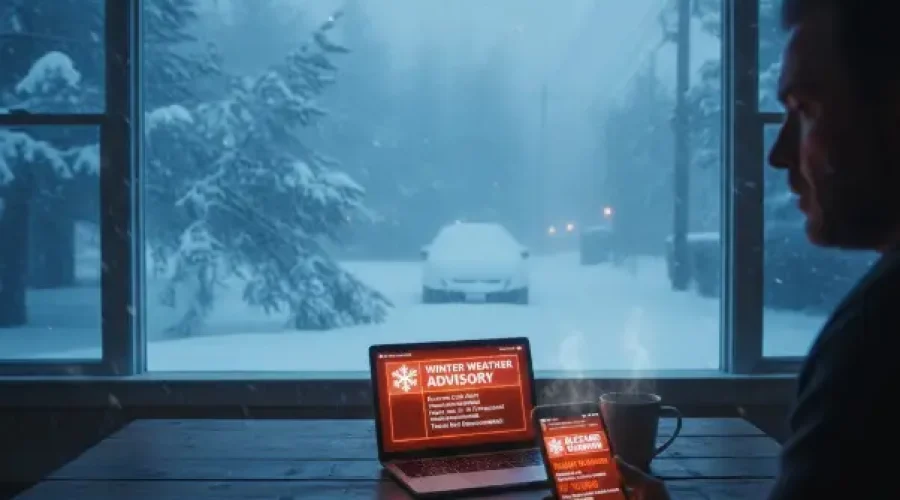

What Are Winter Weather Alerts?
Winter weather warnings are communications of weather officials. They alert people of hazardous winter factors such as snow, sleet, ice, freezing rain, as well as extremely cold temperatures. The alerts include various types, such as: Deep Dive Picks. Winter weather alerts are essential tools that communicate the severity of winter conditions to the public. They help individuals and communities prepare for potential disruptions and hazards. A winter storm warning means severe winter weather is on the way or happening now. A winter weather advisory shows conditions that are less severe but still risky. These alerts are key for raising awareness and helping people take safety measures in winter.
National Weather Service Winter Alerts Explained
The National Weather Service (NWS) is the main agency that issues winter weather alerts in the country and operates as part of NOAA. The NWS also collaborates with the Storm Prediction Center and Weather Prediction Center to monitor weather patterns and predict severe winter events. These winter weather alerts deliver real-time, accurate, and location-specific notifications that strengthen emergency preparedness and disaster management. Just as consumers rely on trusted guidance when choosing the best Rowenta iron for reliable performance at home, communities depend on the NWS for dependable forecasts and alerts. The NWS works closely with local emergency management agencies to keep communities safe during winter storms and prioritizes clear communication to reduce risks, ensuring people respond quickly and effectively to winter weather alerts.
Winter Weather Alerts in Georgia: Frigid Temperatures & Snowfall
Georgia provides weather warnings on winter weather, which includes freezing rain, sleet, snow squalls and bitterly cold conditions. These conditions are as a result of polar vortexes, arctic fronts among other weather conditions.
These are nor’easters and low-pressure systems that can lead to black ice, whiteouts, road closures, flight delays, school closures, power outages, snowy roads, and dangerous driving conditions. Accurate snow and ice prediction is essential for public safety, especially during periods of severe cold weather, low temperatures, and extreme wind chills. Such weather events can disrupt daily life as well as economic activity, with volatility sometimes extending to stock market futures as investors react to transportation shutdowns and energy demand concerns. Alerts issued in the State of Georgia warn of low visibility and high accumulation rates, which may significantly affect transportation systems and overall normalcy.
Preparing for Winter Weather Alerts: Safety Steps
It is actionable to prepare against winter weather alerts. Emergency management agencies, transport departments, highway patrol, utility crews, and first responders team up to plan ahead, ensuring roads are treated, power systems are reinforced, and communities stay informed. This proactive, rosey cleaner approach to winter preparedness helps reduce disruptions, improve response times, and protect public safety during severe weather events.
- Use of snowplows, salt trucks and sand trucks to treat and de-ice the roads.
- Heating and home insulation that are functional.
- Establishing warming centres and emergency shelters.
- Good communication systems and community alerts inform the residents of travel warnings, effects of winter weather, and safe storm precautions. It can reduce the risk of bad weather by being prepared with your car and consulting with local guidelines.
During a Winter Storm: Essential Safety Tips
In today’s winter storm warning, it’s important to stay safe from hypothermia and frostbite. Dress warmly, limit time outside, and watch for symptoms.
Indoor safety measures include:
- Staying connected during power outages with charged backup batteries.
- Avoiding overexertion to prevent health issues.
Hazardous driving conditions mean you should:
- Drive slower
- Use tire chains
- Avoid unnecessary travel
Using trusted weather apps and heeding safety messages helps us respond quickly to changing storm conditions.
Conclusion
Emergency preparedness requires winter weather alerts. They inform the public and governments about winter storms and related hazards. Some of the issues highlighted in these alerts include strain on infrastructure, transportation inconvenience, and threats to essential services such as heating systems, power grids, and household appliances like a gas countertop range, which may be affected during extreme cold conditions. Staying aware of these warnings and taking precautions can help reduce risks from climate trends like La Niña, El Niño, and seasonal forecasts. Keeping pace with updates from the National Weather Service and similar agencies supports effective hazard control and enhances overall community resilience during winter.
Frequently Asked Questions
What are the ways through which the National Weather Service issues winter weather alerts?
The Weather Prediction Center and Storm Prediction Center provide the NWS with data. They also employ weather models such as GFS, EURO and NAM. They send public safety messages and emergency alerts to warn specific areas.
What are the options to get Lear weather alerts?
People get important messages from emergency alert systems, wireless alerts, weather apps, and community alerts. This keeps all people updated on weather risks in winter and what to do.