
History and Origins of Christmas Cake
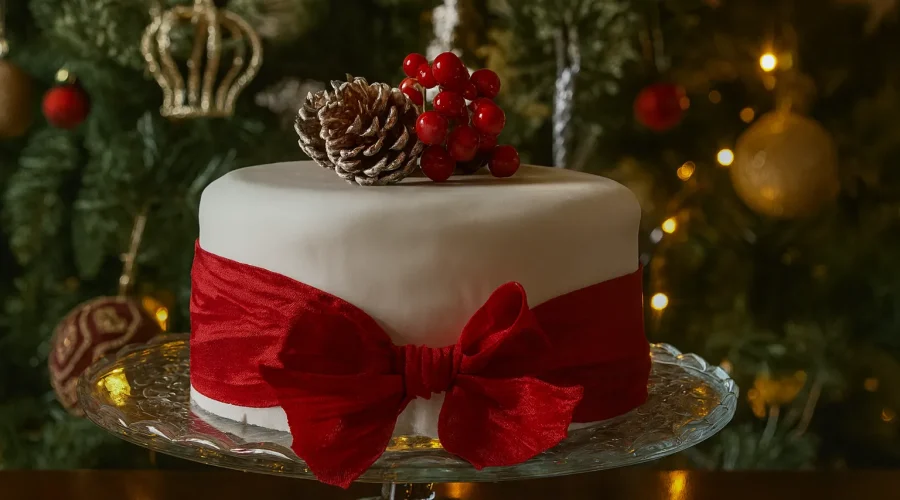
The Christmas cake originated as the Plum Porridge in the Middle Ages and gradually became the rich English Christmas Cake that was adored in the Victorian times. Individuals added dried fruits, nuts, spices and brandy, which provided intense flavours by soaking of fruits, feeding the cake, and maturing the cake. Laws such as the Twelfth Night Cake, and the international equivalents such as Panettone, Stollen and the Japanese Christmas cake, all contributed to the formation of what we now enjoy.
rom humble plum porridge to a rich Victorian showstopper, the Christmas cake has evolved with every generation.
Cultural Significance Around the World
The dessert has held different meanings in different countries, where the airy Japanese version represents a light and joyful holiday treat, while the dense Jamaican style and the traditional Irish bake offer a richer, deeper flavour. In London and Surrey, bakeries such as Gaya prepare festive bakes, cupcakes, and mince pies, all delivered across the city through Christmas and seasonal cake delivery services. Whether it is Italian Panettone, German Stollen, or any of the classic British festive bakes, each one brings warmth to the December holidays.
Types of Christmas Cakes
The current versions of holiday treats are fun delicacies and sweets such as cake pops shaped for the season, Christmas tree–themed bakes, festive bundt cakes, and playful ideas like Nightmare Before Christmas creations.
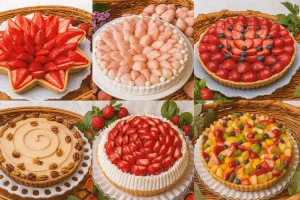
Families also enjoy classics like rich fruit loaves, Yule logs, cookie-style desserts, and colourful modern designs that bring a fresh twist. Trendy snacks like Christmas tree cake dip, Little Debbie’s iconic tree cakes, and even ice cream inspired by the same theme add a light, fun touch to the season.
Traditional Fruitcake
Sponge Christmas Cake
The sponge version of the Christmas cake is lighter and perfect for those who enjoy soft textures. Many modern bakers use flavours from the Japanese Christmas cake, adding whipped cream and fresh fruit. This type is popular in London, Japan, and homes that prefer simple sweetness during the Christmas season. The sponge style is also easy to decorate using fondant icing, sugar icing glaze, or almond paste, making it great for Christmas cake designs.
Whipped cream, fresh fruit, and soft sponge turn this Christmas cake into a simple yet beautiful seasonal treat.
Chocolate Christmas Cake
Gluten-Free and Vegan Variations
Nowadays, gluten-free and vegan versions make more people buy Christmas cake recipes without a reason. Bakers apply other flours, plant butter and dairy-free creams to make soft and rich cakes. The simplest gluten-free substitutes can be substituted even with such confections as Christmas cake balls, Christmas tree cake balls, and cake mix Christmas cookies. Even these versions retain the warm spices, which make them festive.
Key Ingredients of Christmas Cake
Some of the most imperative ingredients in the Christmas cake are dried fruits, nuts, spices, brown sugar and added flavours such as brandy.
The ingredients interact together in low and slow baking, thus assisting the cake in maturing and acquiring strong flavours. Covering with marzipan or almond paste, or fondant icing is used by many bakers, but they apply a glossy glaze of sugar icing on top.
Dried Fruits and Nuts
Dried fruit and nuts form the heart of most holiday baking traditions. They keep the dessert moist and add natural sweetness. Bakers often soak fruits in brandy as part of the preparation, which helps improve the texture. This technique is widely used in Jamaican bakes, German festive loaves, and many other classic fruit-filled treats.
Spices and Flavourings
Spices make the dessert warm and aromatic. Many recipes include cinnamon, nutmeg, ginger, and cloves. These traditional flavours show up in Christmas cranberry bakes, cranberry-spiced treats, and even in modern desserts like Christmas poke cake.
Alcohol Options for Soaking
Many classic recipes rely on alcohol to soak the dried fruits. Brandy is the most popular option, but people also use rum or whisky. This step is key for cake maturation, feeding the cake, and recipes such as Jamaican and Irish Christmas cakes.
Icing and Decorations
Icing brings beauty to the Christmas cake. People use royal icing, fondant icing, marzipan, or almond paste, depending on the style they want. These decorations turn the cake into a centrepiece cake for the Festive season.
Decorating the Christmas Cake
Decorating is one of the most enjoyable parts of preparing a festive dessert. Bakers play with different design ideas and modern holiday styles to create something special.
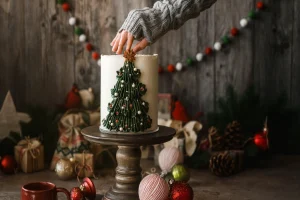
This often includes adding holly themes, stars, or snowy effects to give it a seasonal charm. For more festive inspiration, check out Deep Dive Picks.
Marzipan Layer
A marzipan layer helps seal the cake and adds a sweet almond flavour. Many British-style cakes use marzipan before applying royal icing.
Royal Icing
Royal icing gives the cake a clean, snowy look. It dries firm and is perfect for making shapes and borders on Christmas cake designs.
Fondant Designs
Fondant icing lets bakers make smooth shapes, like Christmas tree cake designs or fun characters from the Nightmare Before Christmas.
Creative Toppers and Themes
People love adding creative toppers like stars, trees, and ornaments. Themes such as Nightmare Before Christmas cake ideas, Christmas tree cake inflatable, and even Christmas tree cake pyjamas inspire fun decorations.
Creative toppers turn a simple cake into a full holiday moment, sparkling with stars, trees, and festive charm
FAQs
How to Fix a Soggy Cake?
A Christmas cake might turn soggy if the fruits are too wet. Always dry soaked fruits well before mixing, especially when making fruit cake Christmas or Christmas fruit cake.
Why is it called a Christmas cake?
<p style="font-size: 13px;">It's called a Christmas cake because people traditionally bake and enjoy it on Christmas Day and during the December holidays. It has evolved from ancient winter feasts.</p>