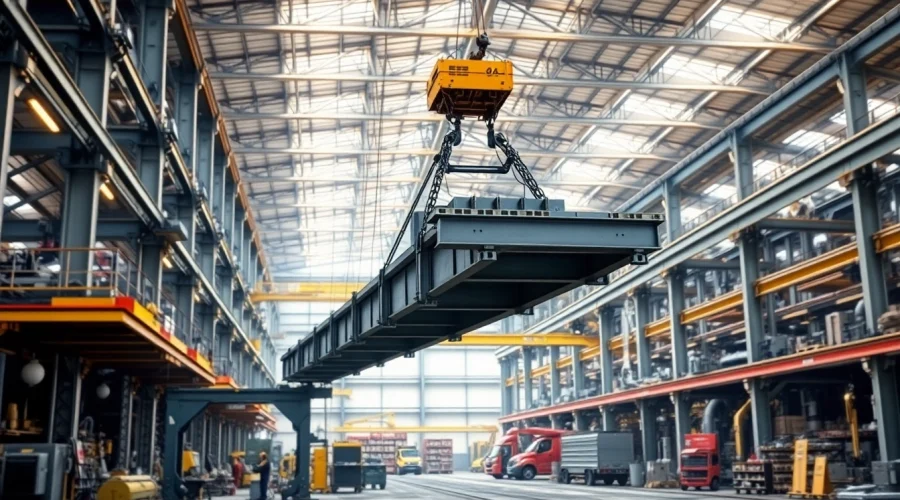

Understanding Bridge Cranes: Basics and Applications
Bridge cranes, often referred to as overhead cranes, are essential pieces of equipment in various industries, primarily used for lifting and moving heavy loads across large spans. These cranes consist of a bridge beam that travels along two parallel runways, allowing for significant flexibility and efficiency in material handling. They play a pivotal role in enhancing productivity while ensuring safety in industrial environments. When exploring options, bridge cranes provide comprehensive insights into the mechanisms and advantages of overhead lifting systems.
What is a Bridge Crane?
A bridge crane is a type of overhead crane characterized by its two parallel runways that support a bridge beam, which moves horizontally over a work area. These cranes are designed to lift and move heavy materials with high precision, making them invaluable in factories, warehouses, and construction sites. They come in various configurations, including single girder and double girder designs, to accommodate different lifting capacities and operational requirements.
Common Industries Utilizing Bridge Cranes
Bridge cranes find applications in several industries, including:
- Manufacturing: Used for assembly lines and heavy machinery handling.
- Construction: Ideal for moving steel beams, concrete, and other substantial materials.
- Aerospace: Essential for handling delicate aircraft components.
- Automotive: Used for moving parts in assembly and repair workshops.
- Warehousing: Facilitate efficient material loading and unloading operations.
Key Components of Bridge Crane Systems
The primary components of a bridge crane include:
- Bridge Beam: The main structure that spans the width of the runway.
- Runways: Tracks that support the bridge beam and allow horizontal movement.
- Hoist: The mechanism responsible for lifting and lowering the load.
- End Trucks: Components that connect the bridge beam to the runways, enabling movement.
- Control System: Typically includes remote controls or pendant systems for operator use.
Benefits of Implementing Bridge Cranes in Your Operations
Integrating bridge cranes into your operations can yield numerous advantages that enhance both efficiency and safety. Here are some of the most significant benefits:
Enhanced Productivity and Efficiency
Bridge cranes significantly improve operational efficiency by allowing for the quick movement of materials without the need for manual labor. This automation reduces downtime, enabling companies to increase their production rates and meet demand more effectively.
Improved Workplace Safety Standards
By reducing the need for manual lifting and moving of heavy loads, bridge cranes enhance workplace safety. They are equipped with safety features such as overload protection and emergency stop buttons, helping to minimize the risk of accidents and injuries.
Cost-Effectiveness of Bridge Crane Systems
Although the initial investment in a bridge crane can be substantial, the long-term benefits often outweigh the costs. Improved efficiency leads to reduced labor costs, while enhanced safety can lead to lower insurance premiums and fewer workplace injuries.
Choosing the Right Bridge Crane for Your Needs
Selecting the correct bridge crane involves considering various factors to ensure that it meets your operational requirements. Here are some considerations:
Factors to Consider When Selecting a Crane
- Load Capacity: Determine the maximum weight the crane will need to lift.
- Span Length: Measure the distance between the runways to ensure the crane fits.
- Height of Lift: Assess the required vertical lift height for your application.
- Environment: Choose a crane that can operate in your facility’s specific conditions (e.g., temperature, humidity).
- Customization Needs: Consider if you require specialized attachments or features.
Comparative Analysis: Bridge Crane vs. Other Options
Bridge cranes differ from other types of cranes, such as jib cranes or gantry cranes, in terms of span and lifting capabilities. While jib cranes are more suitable for lifting within a confined area, bridge cranes can span larger areas, making them ideal for extensive industrial operations. Understanding these differences is crucial when determining the best lifting solution for your needs.
Customization Options for Unique Applications
Many manufacturers offer customizable options for bridge cranes, including varying lifting heights, capacities, and control systems. Tailoring these systems to fit your unique operational requirements can optimize performance and safety.
Best Practices for Operating Bridge Cranes Safely
To maximize the benefits of bridge cranes, it is essential to follow safety protocols and best practices in their operation:
Safety Guidelines for Operators
Operators must be trained in the proper use of bridge cranes, including understanding the load limits and correct operation procedures. Regular safety meetings can help reinforce best practices and keep safety a priority.
Regular Maintenance and Inspection Procedures
Scheduled maintenance is critical to ensuring the longevity and safe operation of bridge cranes. Inspections should focus on wear and tear of components, checking the hoist mechanism, and ensuring safety features are functioning correctly.
Training for Effective Crane Operation
Comprehensive training programs for operators are essential. Such programs should cover operational procedures, load handling techniques, and emergency response actions to ensure that all personnel are prepared for safe crane operation.
Future Trends in Bridge Crane Technology
As technology advances, bridge cranes are evolving to become more efficient and reliable. Here are some trends to watch in the coming years:
Advancements in Automation and Smart Technology
Increased automation in bridge cranes will allow for more precise control and monitoring of operations. Smart technology can facilitate real-time data collection and analysis, leading to improved decision-making and greater operational efficiency.
Anticipated Changes in Industry Standards
With ongoing developments in safety and operational efficiencies, industry standards for bridge cranes are expected to evolve. Companies must stay informed about regulatory changes to ensure compliance and maintain safe operations.
How to Prepare for the Future of Bridge Cranes
Preparation for future advancements includes investing in modern crane systems, training employees on new technologies, and regularly assessing operations for efficiency improvements. Businesses that adapt quickly will maintain a competitive edge in the marketplace.