

Introduction to Blockchain
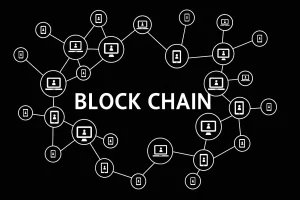
Blockchain technology is a game-changing innovation. It supports decentralized digital systems by creating clear and permanent ledgers. These ledgers work without central authorities. Blockchain is a shared ledger that tracks transactions on many nodes. This makes the data secure and reliable. Satoshi Nakamoto introduced with Bitcoin. Its foundation includes decentralization, cryptographic security, and consensus mechanisms. This allows systems to ensure transactions and data integrity without needing intermediaries. This technology keeps a chain of blocks with transaction records. Each block is linked cryptographically, offering Deep Dive Picks for understanding how transparency and trust are built in a decentralised web environment.
Understanding Blockchain Fundamentals
- Nodes
- Validators
- Consensus algorithms
- Cryptographic primitives
Nodes are the network participants. They keep copies of and validate transactions. Validators use consensus methods like proof of work (PoW) and proof of stake (PoS). These methods help them agree on the ledger’s state. This ensures everyone is on the same page and stops fraud. Cryptography is crucial. It uses hashing with hash functions. Merkle trees organise transactions, and digital signatures authenticate participants. These signatures rely on private and public key pairs. Smart contracts are self-executing agreements. They use set rules to automate processes safely, and similar automated systems are now also being explored in cloud gaming platforms.
Types of Blockchain Networks
There are various types of chain networks to fulfil various requirements. These are public, private, consortium, and hybrid. Public chains are open to all, as in the case of Bitcoin and Ethereum (layer 1 mainnets). Their attention is centred on decentralisation and transparency. These are operated by a single organisation. These authorised networks suit best the firms which require access control. Consortium are created when a group of selected organisations governs. This setup blends decentralisation with privacy. Hybrid chains are based on the characteristics of both public and private models. Some enterprise platforms include Hyperledger, Corda by R3 and IBM. In modern use cases, even technologies related to apple pocket solutions explore efficiency, privacy, and conformity in business environments.
Blockchain technology applications
Technology spans diverse industries with transformative applications. In supply chain management, it provides clear records to track goods. This boosts transparency and helps reduce fraud. Healthcare leverages it for secure digital identity and immutable patient records. Financial services use it for cross-border payments, global remittances, and decentralised finance (DeFi). This technology promotes financial autonomy, and regions like Queensland are increasingly exploring these innovations to enhance digital efficiency.
- Tokenisation of digital assets.
- Enterprise integration with audit trails.
- Digital certificates for authentication.
- Decentralised apps (dApps) offering identity solutions like self-sovereign identity (SSI) with verifiable credentials.
Blockchain Security: Threats & Solutions
Blockchain security is crucial. It protects against risks like 51 percent attacks, double-spending, and smart contract flaws. Good security of requires good cryptography. These are tools that aid in privacy and integrity. Important key ones are security audits, penetration testing and digital forensics. They help find weaknesses in smart contracts. This prevents threats like rug pulls and phishing. Monero and Zcash are privacy coins based on sophisticated tools. Transactions are more secure as they have ring signatures and stealth addresses. Future risk of quantum computing is addressed by the search of quantum-resistant cryptography. It seeks to ensure that our data is long-term secure, similar to how financial sectors monitor indicators like the silver spot price for stability and long-term forecasting.
Blockchain Explorers & Trackers
Blockchain explorers and trackers are tools. They offer on-chain analytics, track transactions, and provide real-time visibility into networks.
- Ledger entries
- Transaction throughput (TPS)
- Block height
- Block time
- Block rewards
These tools help with forensic tracing, chain analysis, and market insights. They allow participants to verify transactions and understand network health. On-chain data insights help developers, investors, and regulators. They explain how complex blockchain systems function. They also build trust by providing easy access to transaction histories.
Blockchain Backers & Investment Landscape
The blockchain investment scene is lively. It has strong venture capital support and increasing interest from institutions. It startups gain from ICOs, IEOs, and token launches. Token launchpads and key conferences support these processes. The token economy and cryptoeconomics boost fundraising. They support new ideas in decentralized finance, NFT markets, and enterprise solutions. Investors are turning to assets for diversification. They are betting on scalable protocols and integration with traditional finance. This shows how blockchain is becoming a key technology for future digital markets.
Crypto Portfolios & Tracking Tools
You can’t trade, track, or analyse blockchain cryptocurrencies well without advanced tools. Today, investors use two main types of exchanges: centralized (CEX) and decentralized (DEX). Both provide strong platforms for buying and selling digital assets.
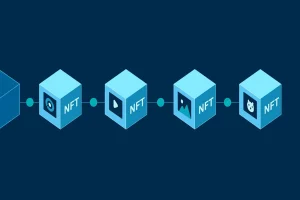
DEXs use automated market makers (AMMs) and liquidity pools for smooth trading. Many tokens exist across different standards, such as ERC-20, ERC-721, and ERC-1155.
These include:
- fungible assets
- NFTs
- utility tokens
- governance tokens
- security tokens
- stablecoins
- CBDCs
This makes real-time analytics and portfolio-tracking tools essential. Investors can confidently tackle the crypto market’s complexity with the right tools.
Conclusion
The future looks bright. More people are using it. This is increasing scalability and simplified interoperability between systems. Improving protocols like Ethereum Improvement Proposals (EIPs) helps enhance infrastructure. They also enhance Smart contract languages, including Solidity and Rust. Regulatory frameworks, like AML and KYC, help fintech grow and increase financial inclusion. They also strengthen the impact of Education and communities of developers are important as more individuals adopt . They assist in ensuring its network effects and fulfilling its potential.
Frequently Asked Questions
What is the security of blockchain technology?
Cryptographic basics provide blockchain security. These include hashing, digital signatures, and distributed consensus schemes like Byzantine fault tolerance.
What are the principal use cases of blockchain?
There are numerous significant things that are done using blockchain. These involve monitoring supply chains to ensure provenance and data integrity.