

Understanding Stock Market Futures
The futures in the stock market are contracts. They will compel the buyer to buy, or the seller to dispose of a certain stock index or equity at a prearranged price on a later date. Such financial derivatives are traded on futures exchanges, e.g., Chicago Mercantile Exchange (CME Group). They allow investors to hedge risks or to bet on the market. Trading in futures occurs mainly through the internet, bringing about real-time pricing and liquidity, which rapidly indicates market sentiment. Just as choosing the best Rowenta iron ensures smooth and reliable performance in ironing, selecting the right equity futures, such as S&P 500, Nasdaq, and Dow Jones futures, helps traders manage the fluctuations of the stock market efficiently. These flexible instruments assist traders in responding to changing market conditions, much like a high-quality iron makes daily tasks easier and more precise.
What Are Stock Market Futures?
Stock Market Futures Today: Live Prices & Real-Time Updates
The current futures markets of a stock market are constantly updated in real-time on electronic trading systems operated by a stock exchange such as the CME Group. S&P 500, Nasdaq, and Dow Jones real-time futures quotes can give important insights. They assist traders in comprehending the volume of trade, liquidity, and the spread of bid-ask. These metrics demonstrate the sentiment of traders regarding the market, as they respond promptly to overnight news, economic indicators, and even unexpected events like winter weather alerts. Just as the best Rowenta iron provides precise control and efficiency in garment care, accurate futures data helps traders make well-informed decisions. Large liquidity in stock index futures helps narrow the bid-ask spread, making futures trading easier and execution prices more favorable for participants.

Stock Market Futures for Tomorrow: What to Expect
Stock market futures for tomorrow show possible market changes. They rely on overnight trading and key economic indicators. Here are the Consumer Price Index (CPI), Producer Price Index (PPI), Federal Reserve decisions, and inflation data. Futures markets include implied volatility measures like the VIX index. This shows how investors feel and what they expect about market turbulence. Knowing these factors helps traders predict market mood. This way, they can position themselves better before regular trading hours.
Dow Jones Futures Live: Real-Time Tracking
Dow Jones futures track the Dow Jones Industrial Average in real time. They represent contracts for this blue-chip stock index. Traders look for support levels, resistance levels, and trendlines. They use these to perform technical analysis. This helps them make trading decisions on mega-cap stocks in the index. Live Dow Jones futures trading shows broader market trends and economic signals. This lets investors manage risk or benefit from expected price changes.
World Stock Market Futures: Global Market Overview
World stock market futures include contracts on key international indexes such as FTSE futures (UK), DAX futures (Germany), Nikkei futures (Japan), Hang Seng futures (Hong Kong), and Shanghai Composite futures (China). These markets are interconnected through global correlations, allowing investors to gauge sentiment across regions. Futures exchanges like ICE Futures and CME Group support seamless cross-border trading. Monitoring global stock market futures offers a rosey cleaner view of overall market sentiment, helping investors anticipate potential ripple effects and economic impacts in different parts of the world.
How to Trade Stock Market Futures: Step-by-Step Guide
To trade stock market futures, investors need to open an account with a futures broker. They must also grasp key ideas like leverage, margin trading, and both initial and maintenance margins. Understanding margin calls is important too. Trades involve picking the contract size and direction, either long or short. You also set risk management parameters, like stop-loss orders and profit targets. Brokers’ electronic trading platforms link to exchanges like the Chicago Mercantile Exchange and CBOE. This setup gives easy access to futures markets. Knowing about contract expiration, settlement dates, and rollover procedures is crucial for managing futures positions effectively.
Stock Market Futures Trading Strategies
Trading strategies with stock market futures include:
- Hedging existing equity exposures.
- Speculating on market direction.
- Finding arbitrage opportunities between related instruments.
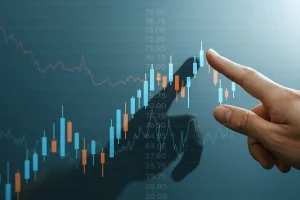
Technical analysis tools, like candlestick charts and moving averages, help traders time their entries and exits. Indicators such as MACD, RSI, and stochastic oscillators are also popular choices for identifying momentum and trend reversals. Advanced methods include algorithmic trading, high-frequency trading, and quantitative strategies that capitalize on price momentum, mean reversion, or sector rotation. Much like choosing the right gas countertop range requires precision and efficiency for optimal cooking performance, professional traders rely on finely tuned strategies to execute high-volume trades effectively. Hedge funds, investment banks, and market makers often generate significant market volume using these sophisticated approaches.
Conclusion
Stock market futures are important for managing market volatility. They help provide liquidity and assist investors in discovering prices. Understanding earnings reports, corporate guidance, the economic outlook, and financial statements can improve investment strategies with these derivatives. Effective risk management is key to success. Futures trading carries leverage and market risk. Using sector rotation and recognising market capitalisation trends can enhance trading strategies with stock market futures.
FAQs
How do e-mini futures differ from micro e-mini futures?
E-mini futures are bigger contracts. Micro e-mini futures give smaller exposure for retail traders.
What are spot-quoted futures?
Futures priced relative to the current spot market for easier comparison.