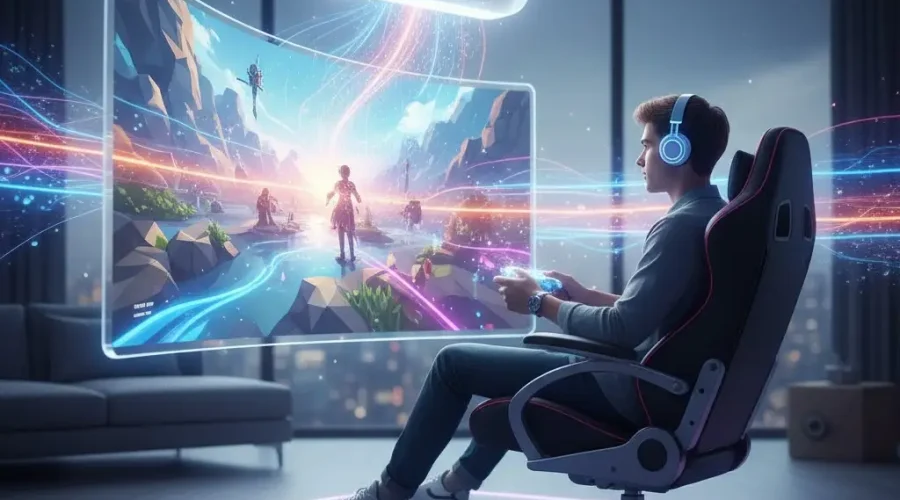

What is Cloud Gaming?
Best Cloud Gaming Services and Platforms
The cloud gaming industry by 2025 is dominated by a few players that offer subscription packages and higher plans. Xbox Game Pass Ultimate is the leader in terms of a huge game catalogue and cross-platform (Xbox and PC). Nvidia GeForce Now allows users to stream games that they have purchased on such stores as Steam, Epic Games, and Ubisoft Connect. This is to ensure that you do not have to buy your games again. The best cloud-based games can be found in PlayStation Plus Premium and Amazon Luna, and new innovations such as blockchain are being explored to improve digital ownership and game verification.
Cloud Gaming for Different Devices
Cloud gaming’s adaptability across various devices is one of its strongest assets. Players can enjoy cloud gaming on mobile platforms, Android devices, or PC. They can stream games smoothly with native apps, APK files for Android, or browser options like HTML5 and progressive web apps (PWA). This versatility also covers smart TVs and streaming devices such as Roku, Apple TV, and Fire TV, and even emerging apple pocket solutions. It includes VR platforms like Meta Quest too. On the desktops works with Windows, macOS, and Linux. It even lets you play on Chromebooks. This cross-platform feature removes old hardware limits. It offers great gaming on smartphones, tablets, and PCs, all powered by cloud technology.
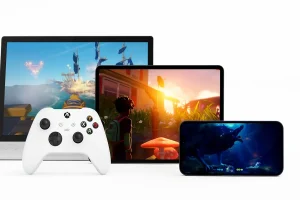
They have huge catalogues and monthly subscription. Other distinctive services are Shadow and Parsec, which are dedicated to high-performance streaming. The leading cloud providers such as Microsoft Azure, Google Cloud, Tencent Cloud, and AWS serve numerous cloud gaming platforms. They guarantee excellent functionality and inter-compatibility with different devices. Nintendo Switch has the capability to go cloud gaming. It is also connected to such services as Prime Gaming, which enhances the quality of cloud gaming. Regions like Queensland are increasingly embracing these technologies to expand access and gaming opportunities.
Play NowPlaying Specific Titles on Cloud Gaming
Popular games, such as Fortnite, use . This helps them offer smooth multiplayer and PvP experiences through cloud servers. The libraries on major platforms usually offer session-based games. They include achievement systems, leaderboards, and battle pass features that reflect local gameplay. Players enjoy quick access to large game libraries. They don’t need to wait for downloads or installations. This makes the interactive streaming experience better. This accessibility enables competitive gaming and real-time multiplayer matches on remote cloud servers. It supports high frame rates and low latency, which are key for popular games like Fortnite on cloud gaming platforms. Similar to how investors track the silver spot price for market insights, developers monitor performance metrics to optimize the gaming experience.
Cloud Gaming Requirements and Internet Speed
Smooth cloud gaming experiences depend heavily on internet speed and connection quality. For basic streaming, start with at least 10 Mbps. For 1080p gameplay at 60 FPS, aim for 25 Mbps or more. For ultra-high-definition 4K streaming, speeds of 40 Mbps or more are optimal. Low latency, minimal input lag, and quality of service (QoS) are key for performance.
Delays between player input and cloud server responses impact user experience, along with bandwidth. It relies on data centres, edge computing, and content delivery networks (CDNs) to cut down on network delay and round-trip time (RTT). System requirements for hardware, like GPUs (e.g., NVIDIA RTX or virtual GPUs), are managed on the server side. This means user devices don’t have to meet high GPU, RAM, or processor demands.
Disadvantages and Challenges
Despite its innovations, and faces challenges. Being dependent on the internet can cause issues like lag, freezing, stuttering, or disconnection during gaming. The high bandwidth and data consumption required can be a barrier for users with limited or expensive internet plans. Cloud gaming services can face performance issues and occasional outages. Plus, subscription costs mean ongoing expenses. Limited game libraries can limit player choices. Subscription models control access to games instead of ownership. This raises concerns about digital rights management and licensing. Privacy and data security are important. As player data goes through cloud servers, the risks to data protection increase.
Play NowConclusion
Cloud gaming is the future. It provides accessibility and discoveries since the games can be streamed anytime you desire. Games as a service are transforming how players can approach and experience games. They get rid of the traditional hardware and introduce a new age of the interactive streaming. With the improved chance of connectivity and cloud infrastructure, the industry is bound to be shaken by this game. It will bring the gaming to a more inclusive and flexible point than ever before.
FAQs
Is it possible to play offline on cloud gaming?
No, cloud gaming sites require an active internet connection to broadcast games on distant servers. This implies that there are no offline content or downloaded offline mode that is normally available. Most cloud gaming relies on continuous streaming and hence hybrid models often do not have offline capability.
Which is the best Cloud Gaming Service?
The most desirable cloud gaming service will be based on what you prefer, what platforms it is compatible with, and how convenient it is to operate. Xbox Game Pass Ultimate, Nvidia GeForce Now, Amazon Luna, Shadow, and Parsec are discussed as the best in terms of performance, variety of the catalog, and QoE (Quality of Experience).