

Hongqi Bridge Collapse
Hongqi Bridge in Sichuan, China, is a clear example of civil engineering failure. It highlights how vital disaster risk management is for infrastructure projects. This bridge connects central China to the Tibetan Plateau.
What is Hongqi Bridge?
The Bridge aimed to improve connectivity in remote areas. It spans 758 metres (2,487 feet), including an approach ramp, over mountainous terrain. As a highway bridge on National Highway 317, it was poised to be a landmark in China civil engineering. It represents advanced bridge design. It aims to improve transport routes in Sichuan and connect challenging regions. Similar to how choosing the best keyboard mouse combo can enhance productivity and efficiency, this project was designed to optimize connectivity and performance, aiming to boost economic growth by linking Maerkang city, Barkam county, and nearby hydropower stations.
Hongqi Bridge Location and Project Details
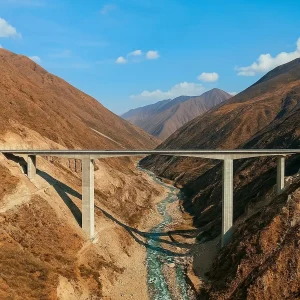
The Sichuan Road & Bridge Group finished the Bridge in 2025. This project is a key milestone in China’s civil engineering. The bridge opening got a lot of attention. A few months later, safety checks found cracks and signs of slope movement near the bridge site. Despite engineering checks and disaster plans, geotechnical risks caused a disaster. The incident has led to urgent investigations. These focus on construction quality, design adequacy, and inspection procedures. All are key to preventing future infrastructure crashes.
What Happened: Hongqi Bridge Before and After Collapse
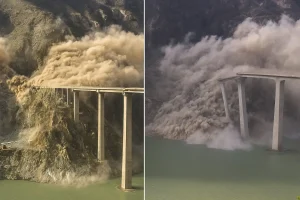
Before it collapsed, the Hongqi Bridge was a cutting-edge mountain bridge. It had a 758-metre span and was built to support heavy loads in tough conditions. The bridge partly collapsed when a huge landslide hit its base. The roadbed and approach ramp failed, sending concrete slabs into the river below. Videos of the structural collapse spread quickly. They stressed how serious the bridge disaster was. They also noted the quick evacuation efforts to keep people safe. The failure shocked infrastructure stakeholders and raised questions about emergency infrastructure resilience.
Hongqi Bridge Collapse: How It Failed
The collapse was primarily caused by a landslide triggered by geotechnical instability in the region’s steep and often unstable mountainous terrain. Rapid infrastructure development had sometimes outpaced comprehensive disaster risk management, particularly in landslide and rockfall hazard zones. The resulting structural failure revealed weaknesses in civil-engineering practices when confronted with natural hazards, emphasizing the need for rigorous geotechnical analysis and ongoing bridge inspection in high-risk areas. This incident stands as a cautionary tale on the interplay of environmental forces and engineering vulnerabilities in major infrastructure projects.
Conclusion
The Hongqi Bridge collapse reveals important lessons for China’s infrastructure. This is especially true for building bridges in areas with sensitive geology. We need strong engineering oversight. We also need regular disaster risk management and active safety checks for bridges. These steps help prevent civil engineering failures. China is growing its highway system and improving emergency infrastructure. This Bridge disaster highlights the challenges of mountainous terrain and natural hazards. Future projects must integrate these lessons to ensure safer, more resilient infrastructure networks.
FAQs
When was the Hongqi Bridge completed and opened?
The Sichuan Road & Bridge Group completed it in 2025. It opened just months before a partial collapse happened.
What caused the Hongqi Bridge collapse?
A massive landslide, triggered by unstable ground and slope movement, partially took down the 758-metre bridge.