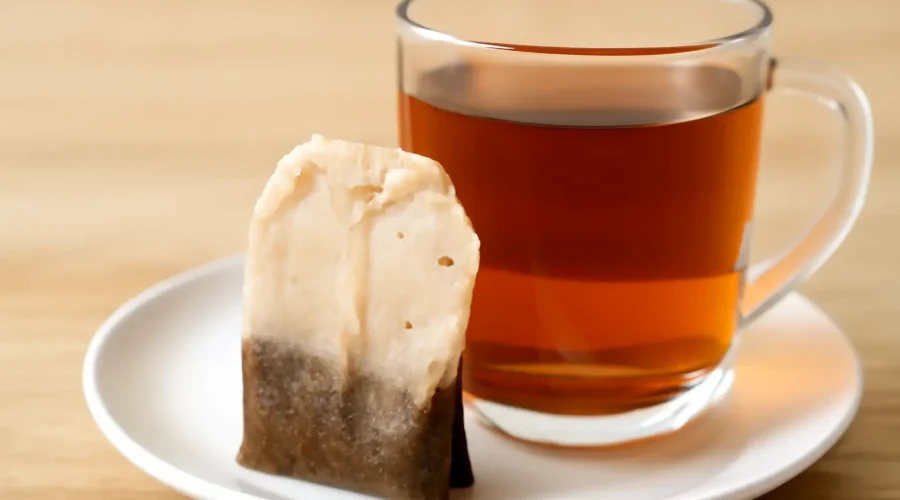

Introduction to Tea Bags and Their Composition
Are Tea Bags Bad For You now the go-to choice for millions worldwide, providing a quick and mess-free way to enjoy your favorite drinks. However, beneath this convenience lies a complex question: are tea bags bad for you? According to Deep Dive Picks, recent studies show that the materials in modern tea bags might have hidden health risks worth exploring. The move to synthetic materials began with plastic pyramid tea bags, marketed as premium items claiming improved infusion. These bags often use materials like nylon-6 and polypropylene for their mesh construction. While manufacturers highlight better structure and enhanced tea extraction, this innovation also introduced chemicals into the brewing process that traditional paper options did not have.
The manufacturing process itself reveals additional complexity, raising the question: are tea bags bad for you? To prevent paper from disintegrating in hot water, manufacturers treat cellulose with compounds like epichlorohydrin. Cotton strings and other reinforcement materials are added. Some bags incorporate carcinogenic substances as unintended byproducts of industrial processes. As researchers study tea bag toxicity and contamination, health-conscious consumers continue to ask themselves, are tea bags bad for you, growing more worried about what they’re really drinking. Just as parents carefully select the best sleep sacks for their babies to ensure safety and comfort, consumers are increasingly mindful of the materials and chemicals in the tea they consume.
Are Tea Bags Bad for Your Health?
The straightforward answer to are tea bags bad for your health requires nuance based on the specific type of tea bag you’re using. New research shows that some regular tea bags have health concerns we should consider, making many ask again: are tea bags bad for your health? When tea bags steep in boiling water, they release many substances, not just the good tea leaves. Research shows that toxins can move into your drink. The amount depends mostly on the bag’s materials and the temperatures it’s exposed to. Studies show that plastic tea bags release more toxins than paper ones. However, no tea bag material is completely free of chemicals, which further raises the question: are tea bags bad for your health? Inflammation represents one potential consequence of chronic microplastic and chemical exposure. Research shows that built-up particles and synthetic compounds can cause inflammation in the digestive tract and the body. This inflammation may contribute to various health conditions over extended periods of ingestion. Just as taking time to relax in the best foot spa supports overall wellness, being mindful of what you drink can help protect your long-term health.
DNA integrity represents another area of scientific concern. Research shows that microplastics can enter cell nuclei. This may lead to DNA damage due to oxidative stress and disruption in cells. Researchers are still exploring how plastic particles affect cells. Finding these particles in cell nuclei suggests risks that go beyond surface problems. The actual harm depends significantly on individual factors including daily tea consumption volume, boiling water temperature, bag material composition, and overall health status. Someone consuming ten cups daily faces substantially greater exposure than occasional tea drinkers. Also, body weight, digestive health, and existing conditions affect how these substances impact health.
Oder NowUnderstanding Microplastics in Tea Bags
Finding microplastics in tea bags is one of the most important recent discoveries in beverage safety research, prompting many to ask: are tea bags bad for your health? A study from McGill University found that one plastic tea bag can release around 11.6 billion microplastics and 3.1 billion nanoplastics into hot water. This is thousands of times more than what’s found in other foods and drinks, raising the question again: are tea bags bad for your health? Just as golfers rely on a birdie alarm to stay alert and on top of their game, consumers are increasingly paying attention to microplastics and toxins in everyday beverages to make informed health choices.
Research at Universitat Autònoma de Barcelona (UAB) studied how microplastics originate from different tea bag materials. The study used advanced methods like scanning electron microscopy (SEM), transmission electron microscopy (TEM), and infrared spectroscopy. These helped identify the particles released by tea bags. Results demonstrated:
- Polypropylene releases approximately 1.2 billion microplastic particles per milliliter
- Cellulose releases about 135 million particles per milliliter
- Nylon releases 8.18 million particles per milliliter
The distinction between microplastics and nanoplastics matters significantly for health implications, making many wonder: are tea bags bad for your health? Nanoplastics are substantially smaller and penetrate biological systems more readily. These tiny particles act differently in the human body than larger microplastics. They can cross cellular barriers more easily and spread throughout tissues. The large amount of microplastics from tea bags sets this exposure apart from other food sources. Drinking several cups a day means taking in trillions of plastic particles from just one drink, prompting another serious question: are tea bags bad for your health? This worrying fact calls for a closer look at the materials used and how we brew our drinks. Just as careful consideration is important when choosing appliances, reading detailed coffee maker reviews can help ensure you select safe, high-quality equipment for your daily beverages.
Non-Toxic and Safe Tea Bag Alternatives
Luckily, more non-toxic tea bags are available in the market, helping answer the question: are tea bags bad for your health. These alternatives are health- and environment-centered. Being knowledgeable about your choices allows you to make smart purchases that are more toxin-free and make your tea drinking fun and comfortable. The tea bags are biodegradable and made of compostable materials. They are convenient and environmentally friendly. Teapigs (and similar companies) offer bags made of corn starch and biodegradable fibers. These bags can fully break down in industrial composting systems. Barry Tea and Clipper have replaced all their tea bags with biodegradable materials, showing that are tea bags bad for your health is no longer a concern with these options. Such non-toxic tea bags degrade using biodegradable polymers, like polylactic acid (PLA), made from non-GMO sugarcane or other chemical-free plants, providing reassurance for those still asking, are tea bags bad for your health.
Brands that offer safe consumption of tea include:
- Twinings (with a number of plastic-free options)
- Tazo (switching more and more to green materials)
- Barry (filled their tea bags now with 100 percent of their range with biodegradable bags)
- Red Rose (facing better material)
There is a low cost to building a home tea set. The cheapest infuser can be bamboo or stainless steel, costing ten to twenty dollars and lasting indefinitely. This technique eliminates concerns about chemicals, plastic leaching, and microplastics, addressing the question: are tea bags bad for your health. You need not worry about loose-leaf tea because of the confidence you have in organic suppliers. Most tea drinkers claim loose-leaf brewing is more palatable than tea bags. It also has two advantages: improved health safety and an enhanced drinking experience, giving another reason to consider if are tea bags bad for your health.
Other brewing machines are the glass French press coffee makers used as tea. They leave space to the growth and fill. Other tea drinkers prefer ancient brewing devices, such as gongfu cha sets. These sets are concentrated on several short infusions. This process is used to extract the optimum flavours as well as avoiding overstepping and bitterness.

Regulatory and Safety Considerations
Understanding the rules about tea bags and food safety shows why worries continue, even though these products are still easy to find. American rules for food and drink involve several agencies. However, there are significant gaps in managing tea bag materials. Labeling rules say tea bag makers must show what’s inside. They don’t have to show what materials make the bags—only the tea leaves. A package may say organic green tea but it might not mention if the bag is nylon mesh or another synthetic material.
Oder NowThe gap between safety research and legal standards shows a bigger problem in regulation. Science often moves faster than updates to regulations. New rules often include findings that researchers recorded years before.
Conclusion
Studies have changed the perception of tea bags being a theory to a fact. Regular plastic tea bags contain microplastics, chemicals and toxic compounds that are damaging to health. These are item consumers need to know as they make their daily drinks. Nevertheless, there is nothing to despair about. Being aware of these dangers and your possibilities will help you to drink tea and minimize bad exposure. The healthy values of tea; such as antioxidants, polyphenols, and cardiovascular issues remain intact. These are just benefits which should be enjoyed in a safer way.
Frequently Asked Questions
Will tea bags make your stomach sick?
Plastic tea bags contain microplastics and chemicals that can irritate the digestion of individuals who are likely to be inflamed.
What can be done to prevent tea bags containing microplastics?
The most preferable is to quit using tea bags. Replace loose-leaf tea with loose-leaf tea and prepare it using stainless-steel infusers or any other reusable utensils.