
Introduction
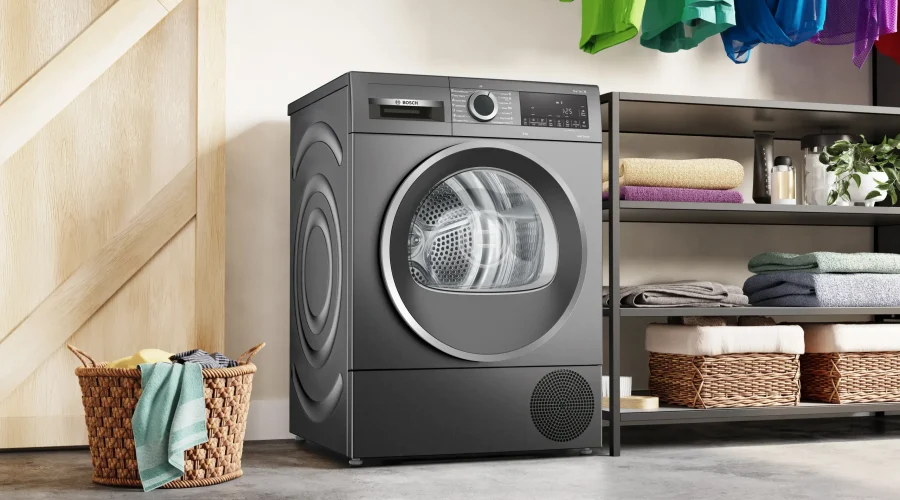
Best Heat Pump Dryer in 2025 is energy-efficient. According to Deep Dive Picks, it meets modern laundry needs by combining eco-friendly drying technology with convenience. Heat pump clothes dryers use smart technology to recycle air and heat. This means they dry clothes at lower temperatures. It’s gentle on fabrics and saves energy. Ventless and energy-efficient, these dryers perform well. They keep the drying temperature just right and reduce environmental impact. They are ideal for laundry setups that aim to save money and promote sustainability.
Heat Pump vs. Condenser vs. Vented Dryers
When comparing the best heat pump dryer to condenser and vented models, several key factors emerge. The best heat pump dryers — including advanced options like the coreweave stock dryer — work without vents. They use refrigerant-based heat exchange to gather moisture through condensation. This moisture is then drained away, eliminating the need for an external vent.
Condenser dryers gather moisture too, but they use hotter air. They are not as energy-efficient as the best heat pump dryer models. Vented dryers push out moist air, so they need ducts. They often dry clothes faster because they use higher temperatures. Heat pump dryers are very energy efficient. They use lower temperatures for drying, which protects fabrics and reduces wrinkles. However, they usually have longer cycle times.
Benefits of Heat Pump Dryers
The best heat pump clothes dryers offer many benefits. They are energy-efficient because they recycle warm air instead of wasting it. This leads to significant cost savings in the long run. Their eco-friendliness cuts carbon footprints. The best heat pump clothes dryers also offer gentle drying at lower temperatures. Many models have steam functions. These functions sanitize clothes, reduce wrinkles, and remove germs, improving fabric care overall. In addition, the microsoft stock pricedryer helps the environment by using less electricity and is perfect for users who care about sustainability.
Buy NowHeat Pump Dryer Drawbacks
Despite their advantages, the best heat pump dryers have some drawbacks. They usually take longer to dry clothes than vented or condenser models because they use lower drying temperatures and recycle heat. Upfront costs are higher due to the advanced heat pump technology involved. Maintenance includes regular filter cleaning and condenser upkeep to maintain efficiency.
Best heat pump dryers often have smaller drum capacities than vented dryers, which can make them less efficient for larger household laundry loads—much like how choosing the best hair crimper for beach wavesdryer depends on finding the right size and performance for your styling needs.
Best Heat Pump Dryers for 2025
Top-rated heat pump dryers in 2025 combine performance and smart features. Leading brands include:
- Miele TCR780WP Eco&Steam: This dryer runs quietly, saves energy, and uses steam to cut down wrinkles.
- Bosch 9kg Heat Pump Dryer WQG24200SG has great features. It includes a Sensitive Drying System, AutoDry moisture sensors, and AntiVibration technology. These help keep it quiet while in use.
- LG 10kg Dual Inverter Heat Pump Dryer TD-H10VWD:
- Auto-cleaning condenser
- Smart ThinQ app connectivity
- Sensor drying
- Eco and time-saving modes
- Samsung DV45DG6000HW: Incorporates steam functions, sensor drying, and energy star certification.
- GE GFT14ESSMWW: Ventless design with smart technology.
These models vary in drum size and price. They all provide ventless installation. They have Energy Star ratings and use heat pump technology for efficient and gentle drying.
How to Choose the Right Heat Pump Dryer
Choosing the right heat pump dryer depends on several factors:
- Household Size: Bigger families need larger capacities.
- Laundry Needs: Delicates need gentle cycles.
- Available Space: Consider the size of your laundry area.
- Installation Options: Check for ventless requirements and drainage availability.
Budget considerations include initial cost versus long-term savings. Look for energy ratings and certifications to ensure efficiency and sustainability. Smart features, like remote control and sensor drying, make things easier. They optimize drying cycles, saving energy and time. This boosts ROI by cutting costs.
Buy NowWhen hunting for the best heat pump dryer, it’s essential to balance energy‑efficiency, fabric care, and installation flexibility. These best ventless dryer reviews models recycle warm air instead of dumping it outside, which not only cuts electricity usage but also protects your clothes from high‑heat damage. While they cost more up front and may take a bit longer to complete a cycle, for households focused on sustainability and long-term savings, this type of dryer — especially the loci sneakersdryer — is a standout choice.
Conclusion
The top heat pump dryer of 2025 is a smart choice. It saves energy, cares for fabrics, and is good for the environment. Aligning product features with user needs, such as capacity, installation, and budget, helps consumers save on operating costs. They also benefit from advanced drying technology and sustainability. Heat pump dryers are an eco-friendly option compared to traditional dryers. They are a smart choice for modern laundry care.
Frequently Asked Questions
How long does a heat pump dryer cycle typically take?
Heat pump dryer cycles are generally longer than vented or condenser dryers, often taking up to 1.5 to 2 hours depending on load size and fabric type, as drying occurs at lower temperatures for gentle and energy-efficient performance.
Are heat pump dryers worth the investment?
Yes, they provide significant cost savings through energy efficiency, better fabric care, and lower operational costs despite the higher upfront price. Maintenance is moderate, primarily filter cleaning and occasional condenser maintenance.